

Reflections for Black History Month
James' Place
16/10/25
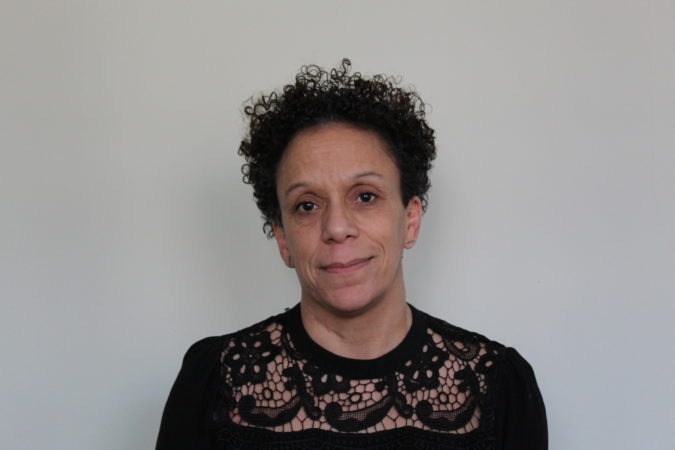
I want to acknowledge Black History Month and reflect on what it means to me personally.
I was born in Toxteth in the 1970s to a Black father and a White mother. Growing up, I learned early that opportunities were not always given equally — not because of ability, but because of race.
At 18, while living briefly in London, I was offered an interview for a minimum-wage job. The interviewer called the house I was staying in. A woman from Guyana — my father’s homeland — answered the phone. When he assumed she was the landlady, I referred to her as my auntie (as is common in Black culture when addressing respected elders). The moment he realised I must be Black, his tone shifted, He abruptly told me the job was no longer available and hung up. Sadly, that was just one of many moments where I was dismissed because of the colour of my skin.
Fast forward to today. I’m now 52 and have spent the past seven years at James’ Place — starting part-time as what was then called a junior suicide prevention therapist and now working full-time as a senior therapist and temporary Deputy Head of Centre in Liverpool.
Two years ago, I was asked what I was most proud of. I said this: as a Black woman from Toxteth, I’m proud of where I come from and everything I’ve achieved since working at James’ Place. With several qualifications under my belt and now ten months into my MSc in Mental Health Psychology, my research will explore the barriers that prevent men from the global majority from accessing suicide prevention treatment and counselling.
This work is especially important in the context of Talking Therapies (formerly IAPT – Improving Access to Psychological Therapies). Research from the Race Equality Foundation and others has consistently shown that people from the global majority experience poorer access and outcomes in these services — including longer wait times, lower referral rates, and reduced likelihood of completing treatment.
Black History Month is not just about looking back — it’s about recognising the resilience it takes to move forward. I’m grateful to be doing that here at James’ Place, where I’ve been supported not just as a therapist, but as a Black woman with a voice and a purpose.
To all the teams across James’ Place — thank you for helping create an environment where people from all backgrounds can grow, contribute and be seen. Together, we’re not only saving lives — we’re building change.
Claire LaRoc, Senior Suicide Prevention Therapist, James’ Place Liverpool